





Types of room in buildings

|

|

|

|
According to Approved Document B, a room is ‘an enclosed space within a building that is not used solely as a circulation space.’ This differentiates a room from spaces such as hallways, corridors, stairs, landings, and so on.
In a domestic context, the most common types of rooms include:
- Kitchen: Intended for the preparation (and perhaps also consumption) of food. (Some houses may include a pantry which is used for storing food.)
- Bedroom: Intended for sleeping, storing clothes, etc.
- Bathroom: Contains a bath and/or shower, and can include sanitary accommodation.
- Dining room: For communal eating and socializing.
- Dual activity rooms, such as an open plan kitchen / diner.
- Living room/lounge: A social room for relaxation.
- Study: For work and administrative tasks.
- Laundry room: For washing and ironing laundry (can also be referred to as a utility room). Dwellings in Scotland may have a drying room.
- Toilet: Separate room containing a toilet and usually a sink.
- Shower room: Separate room containing a shower and sometimes a sink.
- Box room: A small room that may serve as a child’s bedroom, playroom, or storage room.
Other spaces in domestic buildings may not be considered to be rooms, including:
- Attic/loft.
- Basement/cellar.
- Porch.
- Garage.
- Conservatory.
- Home office.
Larger houses may include other types of room such as:
- Ballroom: A large room for socializing and entertaining (often dual purpose with a large dining room).
- Drawing room: A smaller room for socializing, holding meetings, and so on.
- Library: For storing books and other documents.
- Theatre/cinema room: For entertainment.
- Billiard/games room: For playing games such as snooker, pool, and so on.
- Nursery: A bedroom intended for babies or young children.
- Sunroom: A room with a glass roof (and usually glass walls).
In the context of flats, studios, or apartments, one main room may serve more than one purpose, i.e. a kitchen space may be included in the same room as a living room or dining room.
Bedrooms are often described as being a ‘single room’ or ‘double room’. A single room contains enough space for a single bed and is intended for one occupant, whereas a double room contains enough space for a double bed and could be used by two occupants.
Other types of rooms are determined by the type of building and the particular function that is required. For example, an office building may include; receptions, offices, meeting rooms, storage rooms, conference rooms, restaurants, cafeterias, coffee rooms, toilets, common rooms, plant rooms, cleaners rooms, ICT rooms, gyms, and so on.
Other types of building may include very specialist rooms, such as operating theatres, auditoriums, galleries, clean rooms, waiting rooms, classrooms, lecture theatres, and so on.
[edit] Related articles on Designing Buildings
Featured articles
Check out some of the best features and news from Designing Buildings as well as key stories from around the web.
Building Regulations and Building Safety Act
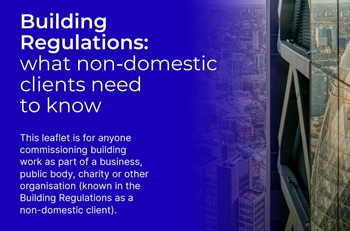
CIOB publishes free advice for non-domestic clients.

Building Safety Newsletter from MHCLG.
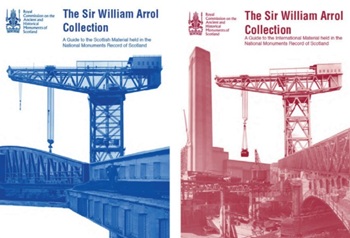
An extraordinary record of steel engineering worldwide.

Households living near new pylons to save on bills.

ECA warns growth must not outpace grid capacity or skills.
The role of the client and decision making

CIOB response to built environment professions call for evidence.
Construction's sustainability reporting revolution
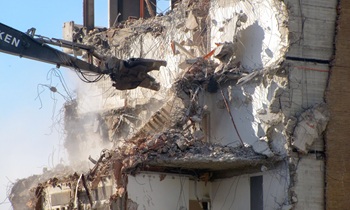
Tracking upfront embodied carbon with digital tools.
ECA welcomes procurement reforms

Public spending must back British jobs and skills.
Campaigning for Edinburgh: the Cockburn Association 1875-2049

The role of the civic voice in protecting character. Book review.
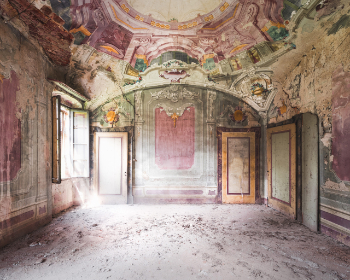
CIOB photography competition is open for entries.
ECA Edmundson apprentice of the year award

Finalists announced.
Major new study exposes serious knowledge gaps.